Music is much more than melodies and lyrics. At its core lies rhythm and percussion, the elements that give every song its pulse, structure, and energy. Whether it is the steady beat of a drum, the sound of clapping hands, or the rhythm created by footsteps, rhythm exists all around us. It is one of the oldest forms of musical expression and continues to play a vital role in every culture and genre.
From ancient tribal ceremonies to modern concert stages, rhythm and percussion have united people through movement, celebration, and storytelling. Without rhythm, music would lose its direction, making melodies and harmonies feel incomplete.
What is Rhythm?
Rhythm is the organized pattern of sounds and silences that occurs over time. It creates the flow of music and helps listeners recognize the beat of a song. Simply put, rhythm tells us when musical notes should be played.
In everyday life, rhythm surrounds us. The beating of our hearts, the ticking of a clock, ocean waves, rainfall, and even our breathing follow rhythmic patterns. Because of this, humans naturally respond to rhythm from an early age.
Moreover, rhythm helps musicians stay together while performing. It defines the tempo, controls timing, and creates the overall feel of a musical piece. Whether the music is slow and relaxing or fast and energetic, rhythm provides its foundation.
What is Percussion?
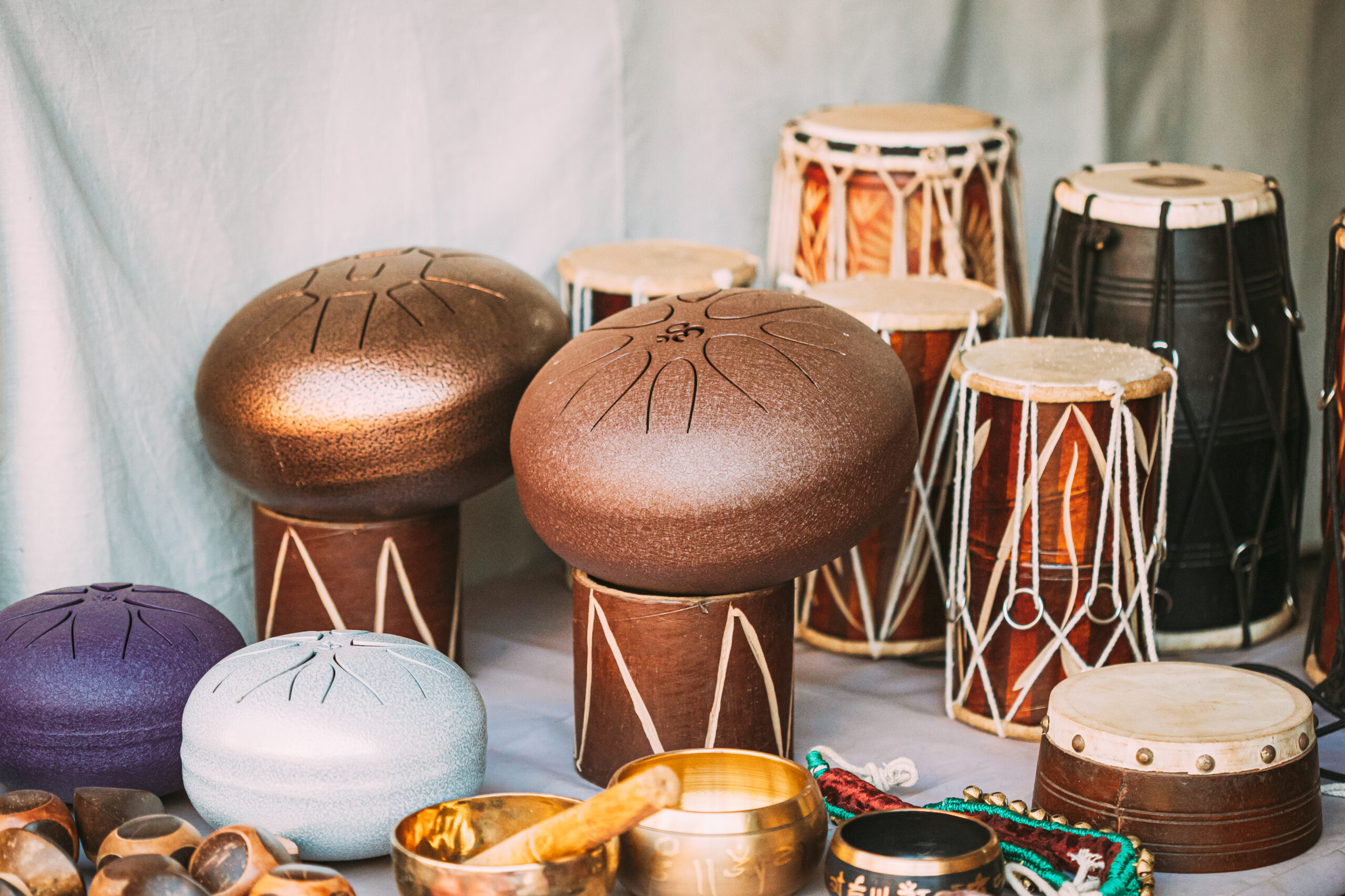
Percussion refers to the family of musical instruments that produce sound when they are struck, shaken, scraped, or tapped. These instruments are among the oldest known to humanity and have been used for thousands of years in celebrations, religious ceremonies, and communication.
Some of the most popular percussion instruments include:
- Drums
- Tabla
- Mridangam
- Congas
- Bongos
- Tambourine
- Cymbals
- Xylophone
- Triangle
- Djembe
- Cajón
While rhythm is the musical pattern, percussion gives that pattern a powerful voice. Together, rhythm and percussion create the heartbeat that drives every musical performance.
Why Rhythm and Percussion Are Important
They Build the Foundation of Music
Every song begins with a beat. Rhythm establishes the tempo and timing that other musical elements follow. Melodies and harmonies become more meaningful when supported by a steady rhythmic foundation.
Therefore, musicians rely on rhythm to stay synchronized during performances.
They Create Energy and Emotion
Percussion instruments add excitement and emotion to music. A soft hand drum can create a peaceful atmosphere, while powerful drum beats can fill listeners with excitement and energy.
As a result, rhythm encourages people to clap, dance, march, or simply move with the music.
They Connect Cultures
Every country has developed its own rhythmic traditions over centuries.
For example:
- African music is famous for the djembe and talking drums.
- Indian music celebrates the tabla and mridangam.
- Latin American music features congas, bongos, and timbales.
- Japanese music uses powerful taiko drums.
- Western orchestras include timpani, bass drums, and snare drums.
Although these instruments differ in appearance and sound, they all demonstrate the universal importance of rhythm and percussion.
The History of Rhythm and Percussion
The history of rhythm and percussion dates back to prehistoric times. Early humans discovered that striking stones, wood, or animal skins produced different sounds. These sounds were eventually organized into rhythmic patterns for communication, celebrations, hunting, and spiritual rituals.
Later, ancient civilizations developed more advanced percussion instruments. Egyptian, Greek, Chinese, African, and Indian cultures all incorporated drums into religious ceremonies and festivals.
Furthermore, during the Middle Ages and Renaissance, percussion became part of military bands and royal performances. As music evolved, percussion found its place in orchestras, jazz bands, rock music, film scores, and modern electronic productions.
Today, technology has expanded percussion even further through electronic drum kits, digital beat-making software, and virtual instruments.
Rhythm and Percussion in Indian Music
India has one of the richest rhythmic traditions in the world. Indian classical music is built upon taalas, which are repeating rhythmic cycles that guide the performance.
Unlike many Western rhythms, Indian taalas can contain complex beat patterns such as 7, 9, 10, 14, or even 17 beats. Skilled percussionists often improvise while maintaining perfect timing.
Some of India’s most respected percussion instruments include:
- Tabla
- Mridangam
- Dhol
- Kanjira
- Ghatam
- Chenda
- Pakhawaj
These instruments are not only used to accompany singers and instrumentalists but also perform breathtaking solo concerts.
Rhythm and Percussion in Modern Music
Today, rhythm and percussion continue to shape every style of music. Pop, rock, jazz, hip-hop, EDM, country, gospel, and film music all rely heavily on strong rhythmic patterns.
Additionally, modern producers use digital audio workstations (DAWs), drum machines, and electronic samples to create beats that reach audiences worldwide. Despite these technological advancements, the purpose remains the same—to provide energy, emotion, and structure.
Furthermore, rhythm-based music has become increasingly popular on social media platforms where short, catchy beats quickly capture listeners’ attention.
Benefits of Learning Rhythm and Percussion
Learning rhythm and percussion offers many advantages beyond music itself.
Some key benefits include:
- Improves concentration and listening skills.
- Develops coordination between hands and feet.
- Strengthens memory and timing.
- Reduces stress and improves emotional well-being.
- Encourages teamwork in bands and ensembles.
- Builds confidence through live performances.
- Enhances creativity and self-expression.
For beginners, learning rhythm first often makes it easier to understand other musical concepts.
Conclusion
Rhythm and percussion are truly the heartbeat of music. They provide the structure, energy, and emotion that bring every musical performance to life. From ancient tribal drums to modern electronic beats, rhythm has remained a powerful force that connects people across cultures and generations.
As music continues to evolve, rhythm and percussion will remain timeless elements that inspire creativity, celebrate tradition, and unite listeners around the world. Whether you are a beginner or an experienced musician, understanding rhythm is one of the most valuable steps in your musical journey.